
Loading...
Serving Ontario, CA and surrounding areas. (909) 738-1084
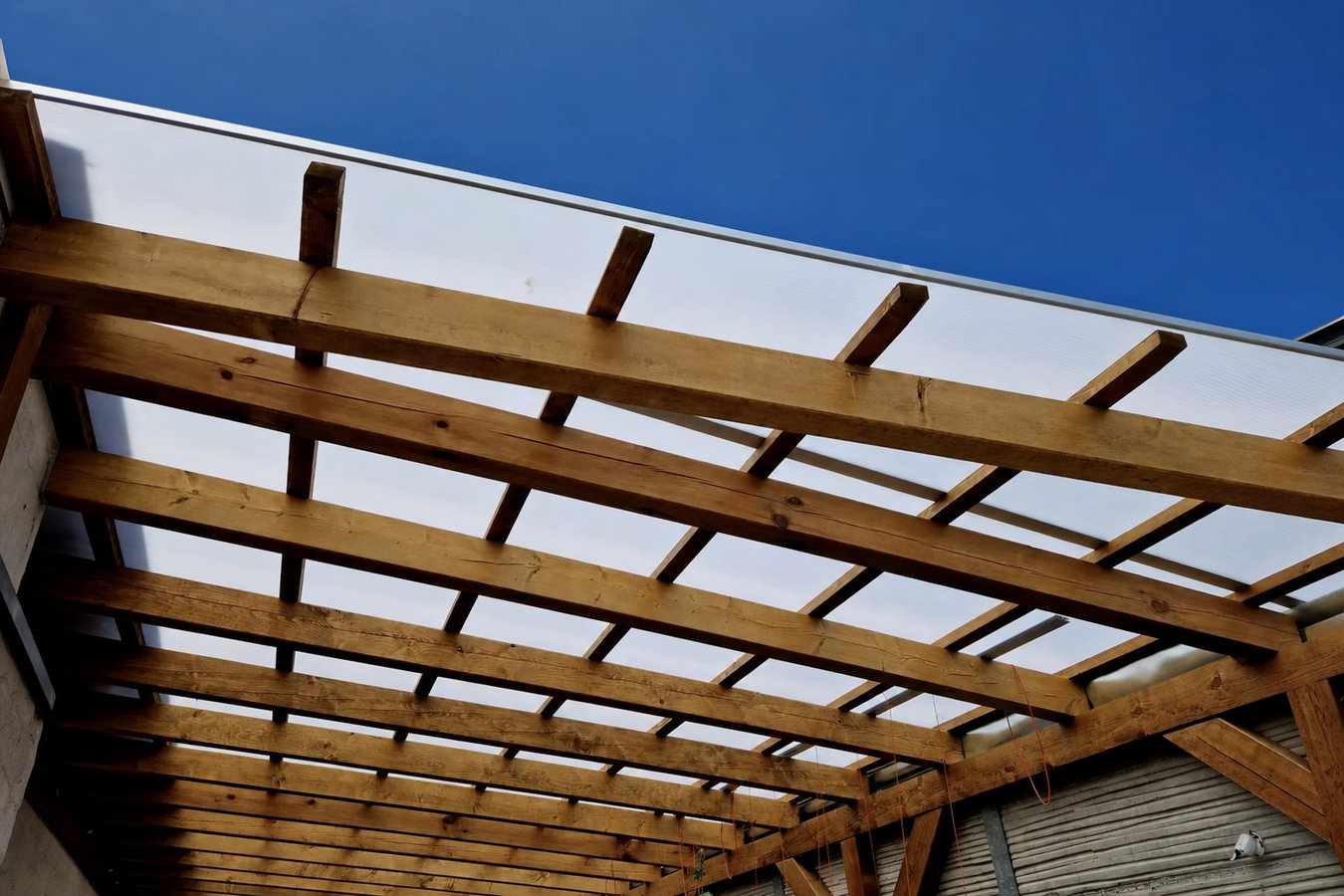
Ontario summers push 100 degrees and most pergolas are not built for the Inland Empire's heat or Santa Ana winds. We install permitted, properly anchored pergolas with concrete footings and wind-rated hardware - so your backyard is finally a place you want to be.
Pergola installation in Ontario, CA means setting concrete footings, framing a post-and-beam overhead structure, and pulling a city permit so the work is inspected and on record - most standard freestanding pergolas take one to three days of active construction once the permit clears.
Most Ontario homeowners start looking into a pergola because their backyard has no focal point and no shade. A patio that gets baking sun from noon to sunset is not somewhere you want to spend time. A pergola changes that. It creates a defined space - somewhere to put a table, hang lights, and actually gather - without enclosing the yard the way a solid roof does. The open-beam design lets air move while cutting direct overhead sun, which makes a real difference during the long Inland Empire summers.
If you want full overhead coverage along with shade, our covered decks and patio covers service is worth comparing before you decide - we can walk you through the differences in shade performance, longevity, and permit requirements so you land on the right option for your yard.
If stepping outside between noon and 6 p.m. from May through September sends you straight back inside, your outdoor space is not working. Ontario's summer heat is intense enough that an unshaded patio can feel punishing for most of the day. A pergola with shade fabric or a climbing canopy cuts direct overhead sun and makes the space genuinely livable during the Inland Empire's hottest months.
A patio that nobody uses because it feels exposed, open, and uninviting is a common situation in Ontario. The slab is there - there is just nothing to make it feel like a real space. A pergola provides the overhead structure and visual anchor that turns an empty slab into an outdoor room. Most homeowners are surprised how quickly the yard changes once the frame goes up.
If you already have a pergola or patio cover and notice the posts are tilting, the wood is soft or discolored, or the attachment point where it meets your house is pulling away, those are signs the structure is failing. Ontario's clay soils and wind events accelerate this kind of deterioration, and a leaning structure is a safety concern worth addressing before the next Santa Ana wind season rolls around.
If your backyard is just lawn and fence with nothing to organize the space, it feels hard to use even when the weather cooperates. A pergola creates a natural center - a place to put a table, hang lights, and host people - without requiring a full landscape redesign. It is often the single change that makes a backyard feel finished rather than abandoned.
Every pergola project starts with a site visit where we measure the space, review soil conditions, and talk through the material choices that make sense for your yard and climate. Cedar and redwood are popular wood choices - they hold up well outdoors and look warm and natural, but they need periodic sealing to handle the Inland Empire's UV load. Aluminum and vinyl are low-maintenance alternatives that resist the kind of sun damage that shortens the life of untreated wood in this region. We discuss both options honestly and do not push a material because it is cheaper for us to install. We also pair pergola work with our outdoor kitchen deck service for homeowners who want a shaded cooking and dining area built as a single project.
We handle the complete permit process with the City of Ontario's Building and Safety Division. That includes preparing the plan submittal, coordinating the inspection schedule, and handing you a closed-out permit when the project is done. Footings are sized and poured for local soil conditions - Ontario has clay-heavy ground in many neighborhoods that expands when wet and shifts when dry. Under-dug footings in this soil are one of the most common reasons pergolas tilt or settle within a few years. We dig to the right depth and use enough concrete to keep posts stable through Ontario's seasonal soil changes.
Best for homeowners who want a defined outdoor space positioned away from the house - over a garden, pool area, or separate seating zone - without attaching to the structure.
Connects directly to the house via a ledger board and extends the feel of your indoor living space outward - a natural fit for homeowners who want the backyard to flow from the home.
Cedar or redwood construction for homeowners who want a warm, natural look that can be stained or painted to match an existing deck or home exterior - requires periodic sealing in Ontario's climate.
Low-maintenance builds that resist fading, warping, and rust in the Inland Empire's heat and UV - a strong choice for homeowners who want the look without ongoing upkeep.
Ontario sits in the Inland Empire, where summer temperatures regularly exceed 100 degrees Fahrenheit and UV exposure is among the highest in California. That climate is hard on outdoor structures that are not specifically built for it. Untreated or low-grade wood can crack, warp, and fade within a season or two under that kind of sun. Then every fall, Santa Ana winds push through the region with gusts that can exceed 60 mph - a pergola that is not properly anchored will shift or lean in those conditions. We spec footings and hardware specifically for this climate, not for a milder coastal job. A significant portion of Ontario's newer neighborhoods, including areas around Chino to the south, are governed by homeowners associations with design review requirements - so we flag the HOA step at the estimate stage and help you prepare the right documentation before you submit.
The City of Ontario requires a building permit for most pergolas, particularly those attached to a home or exceeding a certain size. The permit process involves submitting plans for city review and waiting for inspector approval - that typically adds one to three weeks to the project timeline. Contractors who know Ontario's Building and Safety Division can often move this along faster because they know what plan checkers look for. Homeowners in nearby Rancho Cucamonga face similar permit and HOA requirements, and we handle those too - the process is the same across most Inland Empire cities once you know how to navigate it.
When you reach out, we ask a few basic questions: roughly how large a space you want to cover, whether you want the pergola attached to the house or freestanding, and your general budget range. We reply within one business day - this is not a commitment, just enough to schedule a site visit and give you a ballpark before anyone comes to your yard.
We come to your yard, take measurements, and look at the space with you. We point out things you might not have considered - like where the afternoon sun hits, how close the structure can be to your property line under Ontario's rules, and whether your existing patio slab can support post footings. You leave this visit with a written quote and a clear picture of what the finished project will look like.
We submit the permit application to the City of Ontario before any work begins. Plan review typically takes one to three weeks. We handle the paperwork - you do not need to go to city hall. Once the permit is approved, you get a confirmed start date and a clear project schedule.
The crew marks and digs the post holes, pours concrete footings, and lets them cure before the frame goes up. Frame assembly is the fast part - posts, beams, and rafters go up in a matter of hours once footings are solid. After the structure is complete, the city inspector confirms the work matches the approved permit. We coordinate that visit and do a final walkthrough with you before we leave.
Free estimate. Written quote. No pressure. We handle permits and HOA paperwork - you just show us the yard.
(909) 738-1084Much of Ontario sits on clay-heavy ground that expands when wet and contracts when dry. We dig footings to the appropriate depth for the structure size and pour enough concrete to keep posts stable through those seasonal soil changes. That detail is easy to cut corners on and nearly impossible to fix after the fact - we do not cut it.
Every pergola we build uses hardware rated for the high-wind conditions that Santa Ana events bring to the Inland Empire. The connections between posts, beams, and rafters are not afterthoughts - they are spec'd before the first hole is dug. A well-anchored pergola does not move when the gusts come through, and that is what we deliver.
We pull permits as a matter of course - not as an add-on, not as something you have to ask about. The California Contractors State License Board requires licensed contractors to follow local building codes, and that means permits. You get a closed-out permit at the end of the project so your home's records are clean and your investment is protected.
Ontario's newer developments, particularly in areas around Ontario Ranch, have homeowners associations with design review processes that catch many homeowners off guard. We ask about your HOA situation at the estimate stage and help you prepare the documentation their review typically requires - so you are not going back and forth for weeks before a shovel hits the ground.
These details - footings, hardware, permits, HOA prep - are what separate a pergola that holds for 15 years from one that starts to lean within two. We build the first kind, and we have been doing it in Ontario and the surrounding Inland Empire long enough to know what this climate demands.
Pair your pergola with a fully built outdoor cooking and dining area - we build both as a single project.
Learn MoreIf you want full overhead protection rather than open-beam shade, our solid patio cover service is the alternative.
Learn MoreWe serve Ontario, Rancho Cucamonga, Chino, and the surrounding Inland Empire - call today or submit a request and we will get back to you within one business day.