Loading...
Serving Ontario, CA and surrounding areas. (909) 738-1084
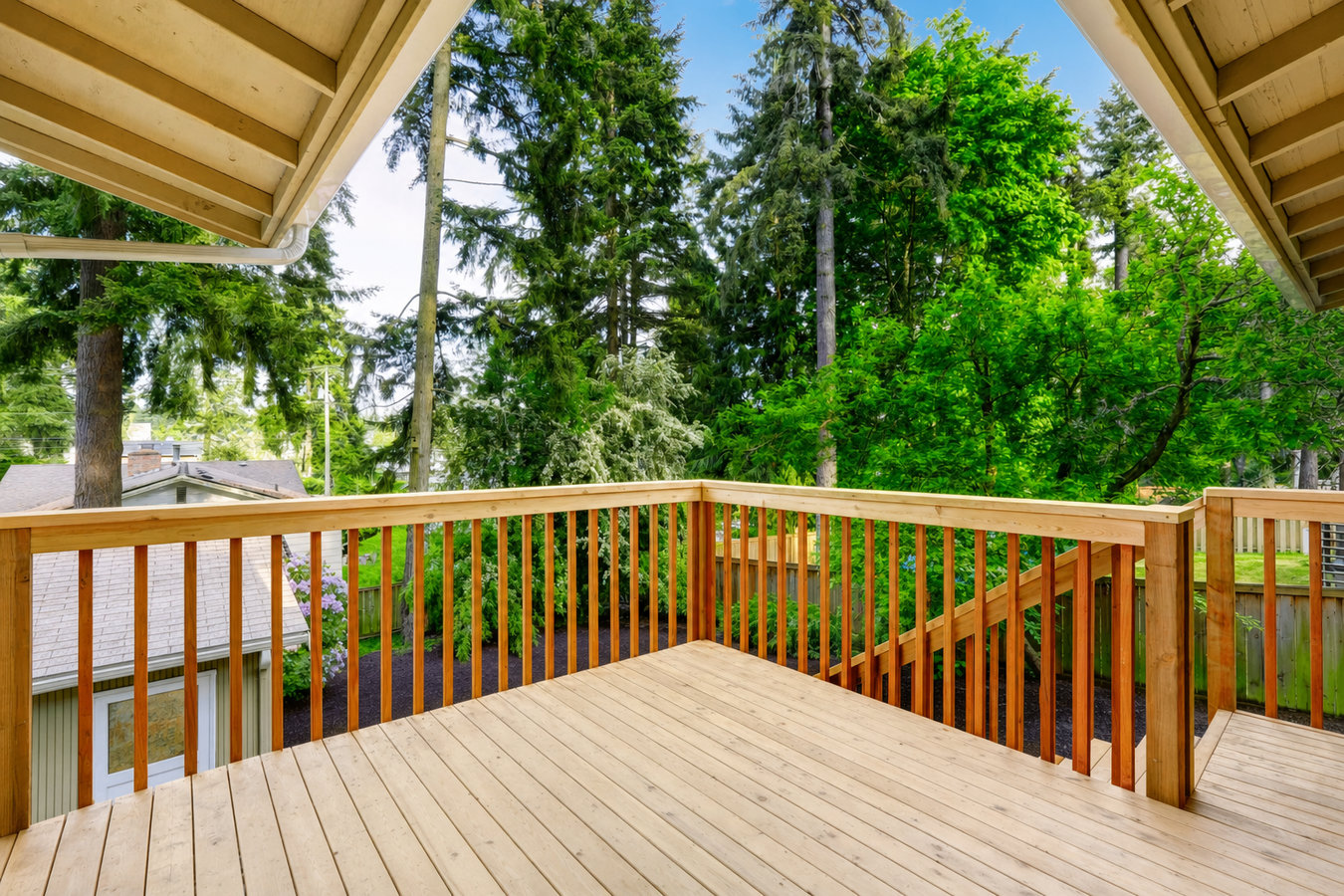
A wobbly railing or one that does not meet California height requirements is a safety risk and a code violation. We install deck railings in Ontario that are properly anchored, correctly sized, and built to pass inspection the first time.
Deck railing installation in Ontario, CA covers replacing aging or unsafe railings and adding new railings to elevated decks - California requires them on any deck 30 inches or more off the ground - and most standard railing jobs are completed in one to two days once permits are approved.
Ontario homeowners reach out about railings for a few different reasons: a wobbly railing that is no longer safe to lean on, an older deck where the railing height does not meet today's requirements, or a new deck that needs railings installed before the final inspection. Whatever the starting point, the job involves more than just swapping materials. The posts that anchor the railing to the deck frame are the most critical part - if they are not set correctly, the railing will flex under pressure. That is a safety problem, not just a cosmetic one.
If your deck itself needs attention before new railings can go in, our custom deck design and build service handles full rebuilds and new construction, and we often assess both the deck and railing together during the estimate visit to give you a complete picture before any work starts.
Give your railing a firm push from the side. If it moves, flexes, or feels loose at the base, the posts are no longer anchored securely. A wobbly railing is a fall hazard - especially for children and older adults - and it will not fix itself over time. The movement usually means the post connection to the deck frame has degraded, which requires a proper repair rather than a temporary fix.
Ontario's dry heat and intense UV exposure break down untreated or aging wood faster than in cooler climates. If your railing looks weathered, feels rough to the touch, or has visible cracks running along the grain, the wood has likely lost its structural integrity and is overdue for replacement. In this climate, deterioration tends to accelerate once the surface protection is gone.
Older Ontario decks - particularly those built before the 1990s - were sometimes installed with railings that do not meet today's height requirements. California requires railings to be at least 36 inches tall for most decks, and 42 inches for higher ones. If you can comfortably lean over your railing without it reaching your waist, it may be too short. That matters for your family's safety and for your home's value.
Stand back and look at the spacing between the vertical posts on your railing. If the gaps look wide - wider than about four inches - they may not meet current safety requirements. This is especially worth checking on older Ontario homes where the original railing was never updated. Wide gaps create a risk for small children and can be flagged during a home inspection or sale.
Every railing project starts with an on-site assessment. We walk your deck, measure the perimeter, check the condition of the existing posts and framing, and ask about your preferences for material and style. If the deck framing underneath is soft or compromised - which is common on older Ontario homes - we tell you before we start, not after. We provide a written estimate covering everything, and we pair railing work with our multi-level deck service for homeowners building new decks that need railings installed as part of the same project.
We handle permit applications with the City of Ontario when the project scope requires one, and we know which projects trigger that requirement under local rules. Post anchoring follows California's seismic requirements - the California Building Standards Commission sets structural connection requirements for decks that are stricter than in most other states, and we build to that standard on every job. If you live in a community with HOA design guidelines - common in Ontario Ranch and other newer developments - we check your requirements before ordering materials so you are not faced with a violation after the work is done.
For homeowners who want a traditional look that matches an existing wood deck - best suited to homeowners willing to maintain it regularly in Ontario's dry climate.
For homeowners who want low maintenance and durability - aluminum holds its color and structure well in Ontario's heat and UV exposure without annual resealing or repainting.
For homeowners who want the look of wood without the upkeep - composite railings resist fading, cracking, and moisture and require minimal maintenance over time.
For homeowners who want unobstructed yard views and a modern look - glass panels hold up well in the Inland Empire's dry climate and are a popular upgrade in newer Ontario homes.
Ontario's housing stock covers a wide range of ages - from mid-century ranch homes near downtown to newer tract subdivisions on the edges of the city. A large share of that inventory was built in the 1980s through the early 2000s, and many of those homes have original wood deck railings that are now 20 to 40 years old. Wood railings from that era have typically been through years of Inland Empire summers, where temperatures above 100 degrees Fahrenheit and intense UV exposure dry out and crack wood faster than in cooler climates. What looked acceptable five years ago may now have compromised posts or baluster connections that are not obvious until something shifts. This is why the assessment visit matters before any railing work begins.
California also imposes seismic requirements on how deck posts are anchored - the hardware and fastening methods used here must be designed to perform during an earthquake, which means your railing is more robustly connected than what you would find in a state with looser standards. We work across Ontario and serve homeowners in Chino Hills and Fontana as well - both areas with similar housing ages, HOA prevalence, and climate conditions that affect how railing projects need to be approached.
You describe your deck and what you are looking to change. We reply within one business day and schedule a free on-site visit. This is not a commitment - just a conversation and a chance to look at what you are working with.
We walk your deck, measure the railing perimeter, check the condition of the existing structure, and ask about material and style preferences. We also tell you upfront whether a permit is required and what that process looks like for your specific project.
If your project requires a permit from the City of Ontario, we submit the application on your behalf. This typically adds one to two weeks before work can begin - we handle everything and keep you updated. You do not need to manage this step.
The crew removes the old railing, sets the new posts, installs railing sections, and checks every connection for stability. Most standard jobs finish in one day. If a permit was pulled, the city inspector signs off before we call it complete. We walk you through the finished railing before leaving.
Free on-site estimate. We handle permits, assess the existing structure, and get it done right the first time.
(909) 738-1084One of the most frustrating experiences for Ontario homeowners is finding out mid-project that the deck framing underneath is compromised. We assess your existing structure at the estimate visit and tell you what we find before anything is ordered or signed. Installing new posts into a rotted rim joist is not a railing installation - it is a problem waiting to happen.
California requires deck post anchoring to meet seismic performance standards that are stricter than most other states. We use the hardware and fastening methods that meet those requirements on every job - not as an upgrade, but as the baseline. The result is a railing that is more robustly connected than what you would get from a contractor who builds to a looser standard.
If you live in Ontario Ranch or another community with exterior design guidelines, we ask about your HOA requirements at the estimate stage - before materials are selected or ordered. You will not get a violation notice after the job is done because the railing color or style did not match what your HOA requires. We check first, every time.
We are a licensed California contractor familiar with the City of Ontario's permit process and inspection expectations. When a permit is required, we handle the application and build to the standard Ontario inspectors look for - so your project does not come back with a correction notice. The North American Deck and Railing Association sets the industry standards we follow for railing construction and safety.
From a straightforward aluminum railing replacement to a full glass panel system on a newer Ontario home, we approach every railing project with the same process - assess the existing structure, confirm permit requirements, and build to California's code. That consistency is what keeps our work passing inspection and holding up through Ontario's summers.
If your deck itself needs work before new railings can go in, we handle full deck design and construction - and can include railing installation as part of the same project.
Learn MoreMulti-level decks require code-compliant railings on every elevated level - we install both the structure and the railings under a single permit and inspection.
Learn MoreWe are booking projects now - reach out before summer so your deck is safe and ready before the season starts.